
Introduction
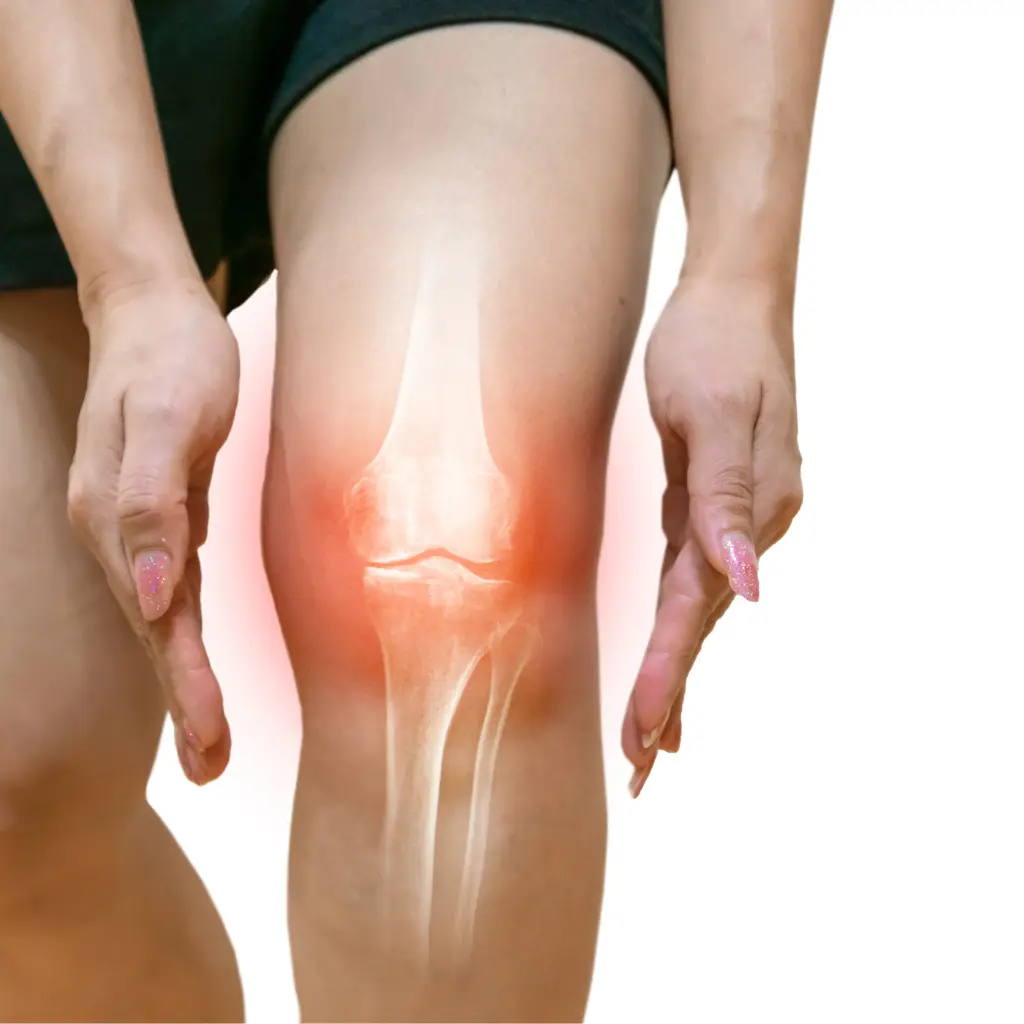
Today, joint pain has become a very common problem affecting people of all ages. Pain in the knees, back, shoulders, neck, or other joints can significantly reduce quality of life.
While joint pain is often associated with aging, many younger individuals are now experiencing joint problems due to lifestyle habits, injuries, and poor posture.
In this blog, we will discuss why joint pain occurs, its common symptoms, and how modern treatments can provide relief without surgery.
What Is Joint Pain?
A joint is the point where two or more bones meet. When the bones, cartilage, ligaments, or surrounding tissues become damaged or inflamed, it leads to pain, stiffness, and difficulty in movement—this condition is known as joint pain.
Common Causes of Joint Pain
Joint pain can develop due to several reasons, including:
- Age-related wear and tear (Osteoarthritis)
- Arthritis and inflammatory conditions
- Old injuries or trauma
- Excess body weight
- Poor posture or prolonged sitting
- Calcium and Vitamin D deficiency
- Infection or inflammation
Symptoms of Joint Pain
People suffering from joint pain may experience:
- Persistent pain in the knee or other joints
- Stiffness and reduced mobility
- Swelling or tenderness around the joint
- Difficulty walking or climbing stairs
- Increased pain after rest or in the morning
- Clicking or grinding sensation in joints
If these symptoms persist, they should not be ignored.
What Should You Do If You Have Joint Pain?
Many people rely only on painkillers for temporary relief. While this may reduce pain for a short time, it does not address the root cause of the problem.
Effective treatment requires:
- Accurate diagnosis
- Identifying the underlying cause
- A personalized treatment plan
Modern Treatment Options for Joint Pain
With advances in medical science, many joint pain conditions can now be treated without surgery.
Modern treatment options include:
- Advanced pain management therapies
- Injection-based treatments
- Physiotherapy and rehabilitation
- Posture and lifestyle correction
- Non-surgical pain relief techniques
When performed under the guidance of an experienced pain specialist, these treatments can provide long-term relief and improved mobility.
When Should You See a Doctor?
You should consult a specialist if:
- Pain lasts more than 2–3 weeks
- Movement becomes difficult
- Pain gradually worsens
- Swelling or stiffness increases
- Pain does not improve with medication
Early treatment can prevent complications and speed up recovery.
Conclusion
Joint pain can interfere with daily activities and reduce quality of life. However, with timely diagnosis and modern medical care, joint pain can be effectively managed.
Today, many patients experience significant relief through non-surgical treatments under expert medical supervision.
📞 Consult a Specialist
If you or your loved ones are suffering from joint pain, do not delay seeking professional help.
The right treatment at the right time can help you return to a pain-free and active life.